
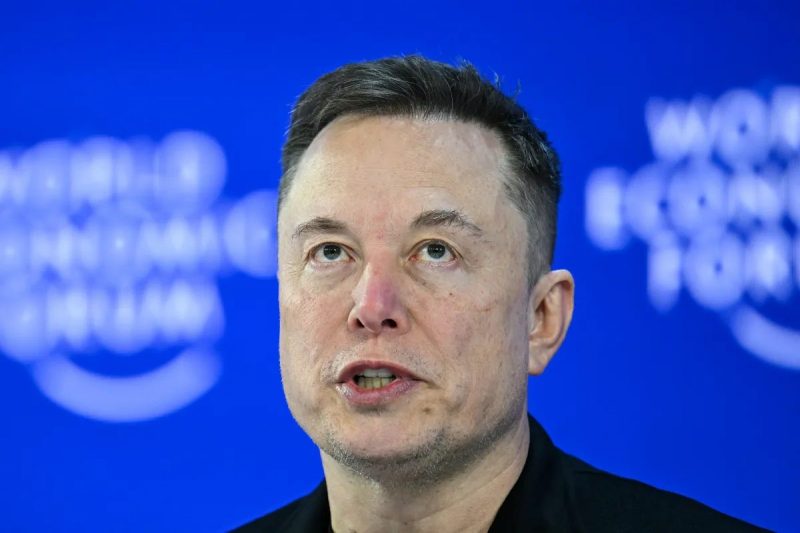
Elon Musk Says Money Can’t Buy Happiness, New Research Backs the Billionaire’s Point
When Elon Musk posted that whoever said money cannot buy happiness knew what they were talking about, the internet lit up. The timing raised eyebrows because his net worth had just climbed to record levels. People saw a billionaire questioning the value of billions and could not resist reacting.
Whoever said “money can’t buy happiness” really knew what they were talking about 😔
— Elon Musk (@elonmusk) February 5, 2026
The comments of the Tesla boss landed in the middle of a long fight among economists and psychologists over how income shapes well-being. The latest research shows a more layered story than either side likes to admit. Musk’s take is not wrong, but it is not the whole picture either.
The Old “$75,000 Rule” Is Gone

Kampus / Pexels / For years, people quoted a 2010 study by Daniel Kahneman and Angus Deaton. That research suggested happiness rose with income until about $75,000 a year, then flattened out.
After that point, more money did not seem to improve daily emotional well-being.
That finding shaped headlines, self-help books, and dinner table debates. It gave people a neat number to chase and a clear finish line. Earn enough to feel secure, then stop worrying about the rest.
But science did not sit still. A researcher named Matthew Killingsworth challenged that plateau idea. Instead of arguing from the sidelines, he joined Kahneman to compare data and settle the score.
Their joint 2023 study analyzed more than 450,000 real-time responses about mood and income. The results were published in Proceedings of the National Academy of Sciences. The conclusion surprised many observers.
For most people, happiness keeps rising as income rises. There was no clear ceiling. The curve did not flatten at $75,000 or even $100,000. Later data included ultra-wealthy participants. The gap in life satisfaction between middle-income earners and multimillionaires was large. On a seven-point scale, billionaires rated their lives close to six, while those earning around $100,000 scored closer to the mid-fours.
The 20% Rule That Changes Everything

Elle / Pexels / The new research found an important exception. Roughly 20% of people fall into a deeply unhappy group marked by depression, anxiety, or heavy dissatisfaction.
For this group, income helps up to a point. Once they reach about $100,000 a year, extra money does not boost daily emotional well-being. The line finally flattens for them.
Killingsworth put it bluntly in interviews. If you are rich and miserable, more money will not fix that misery. Cash can remove pressure, but it cannot heal a troubled mind.
Musk has spoken openly about feeling strain and about the challenge of finding meaning. His fortune sits in the hundreds of billions, yet he has described the difficulty of using that wealth in ways that feel genuinely good. In that context, his statement sounds less like a slogan and more like a lived experience.
Sociologist David Bartram has argued that once basic comfort and security are met, extra millions add little to happiness. Past a certain level, gains feel abstract. The number in the account grows, but daily life does not shift much.
Money Buys Comfort, Not Meaning
Another billionaire, Mark Cuban, jumped into the debate. He argued that if you were happy while broke, you will be wildly happy with wealth. If you were miserable before, you will stay miserable, just with fewer bills to stress about.
That idea lines up with business school research. Studies from Harvard Business School show that millionaires who earned their wealth report higher happiness than those who inherited it. The effort and purpose behind the money matter.
Money earned through work often carries pride and a sense of agency. Inherited wealth can feel detached from identity. The dollars look the same, but the emotional weight differs.
More in Money
-
`
 How Losing a Family Pet Can Teach Your Kids About Death & Grief
No one wants to see their kid cry over a pet, but it happens. Pets don’t live forever, and when they...
October 24, 2025 -
`
How to Ensure Mindful Living in the Suburbs
Mindful living in the suburbs doesn’t need a retreat, a guru, or a schedule packed with meditation classes. It just needs...
October 17, 2025 -
`
Paris Hilton’s New Kids Show Is the One Even Her Own Kids Actually Watch!
Paris Hilton isn’t just running empires and DJing in Ibiza. She is also making bedtime TV that actually passes the toddler...
October 10, 2025 -
`
Why this Management Guru Wants You to ‘Waste’ Money to Grow Your Business
Luke Williams has a message that goes against everything most business owners believe: You need to waste money. Not recklessly, but...
October 3, 2025 -
`
5 Things We Lose As a Society When Teens Don’t Babysit
Babysitting used to be a rite of passage for teens. It wasn’t just about earning pocket money. It built trust, responsibility,...
September 27, 2025 -
`
Michael Jackson’s Biopic is Filled With “Full-Blown Lies,” Daughter Paris Jackson Says
Michael Jackson’s daughter, Paris Jackson, is calling out the upcoming biopic “Michael” for what she says it really is – “full-blown...
September 20, 2025 -
`
Back-to-School Season Is Here! Here’s How Families Can Save Money
Back-to-school season is here, and so is the money stress. Prices are higher, budgets are tighter, and families everywhere are trying...
September 12, 2025 -
`
This Psychology-Backed Hack Makes Parenting A Lot Easier
Here is something that sounds backwards but is 100% real. Moms with one kid often feel more tired and stressed than...
September 6, 2025 -
`
Do Students Actually Learn Anything in School?
Mindfulness is now a regular part of school life for over a million students in the U.S. It promises to help...
August 29, 2025









More From Wordsa
-
Gen Z’s Viral “Rawdogging Boredom” Trend May Help Fix Their Attention Span
A strange trend is taking over TikTok. Gen Z creators are filming themselves sitting in silence, doing absolutely nothing for minutes...
Life HacksApril 3, 2026 -
Rihanna Shooting Suspect Charged With Attempted Murder
A frightening shooting at Rihanna’s Los Angeles home has now turned into a serious criminal case. Prosecutors have charged a Florida...
CelebrityMarch 28, 2026 -
Bitcoin Will Never Seriously Challenge Gold, Says Hedge Fund Billionaire Ray Dalio
The debate between bitcoin and gold refuses to fade. Investors argue about it on trading floors, podcasts, and social media every...
MoneyMarch 21, 2026 -
Here’s What We Know About Jeff Bezos’ Seven Kids
Jeff Bezos built Amazon into one of the most powerful companies on the planet. Yet away from boardrooms and rocket launches,...
FamilyMarch 13, 2026 -
How to Commit to Daily Morning Meditation? A Step-by-Step Guide
If you want daily morning meditation to stick, you need more than motivation. You need a clear plan and a few...
Life HacksMarch 7, 2026


You must be logged in to post a comment Login