
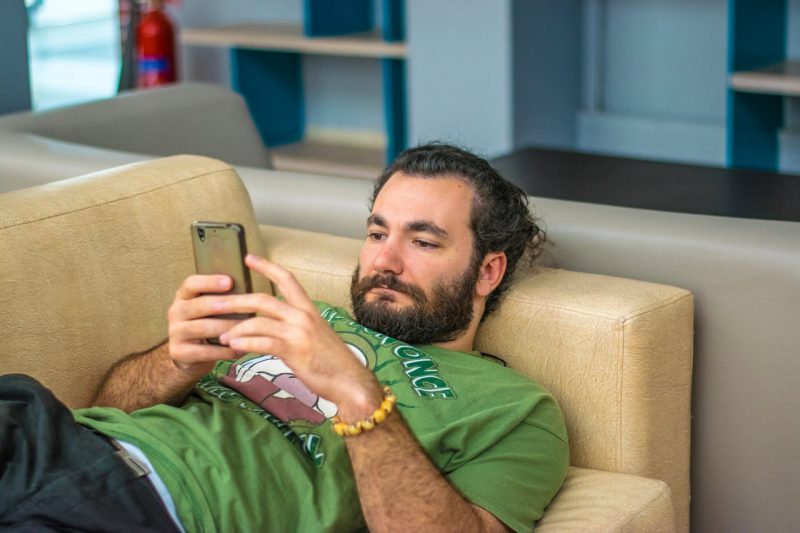
Gen Z’s Viral “Rawdogging Boredom” Trend May Help Fix Their Attention Span
A strange trend is taking over TikTok, and it looks like nothing at all. Gen Z creators are filming themselves sitting in silence, doing absolutely nothing for minutes at a time. No phones, no music, no scrolling, no distractions of any kind.
They call it “rawdogging boredom,” and while the name sounds chaotic, the idea is simple. Sit still, stay present, and let your mind wander without interference. It feels uncomfortable at first, and that is exactly the point.
This trend is catching on because it pushes against how people usually spend their time. Most of the day is filled with noise, alerts, and endless content. This challenge asks people to face the quiet instead of escaping it.
@katend06I saw someone else do this and wanted to try.♬ оригінальний звук – Libriolla
It may look like a joke on the surface, but experts say it taps into something real. The brain needs breaks from constant input, and this trend forces that pause. What started as a viral challenge is now being taken seriously as a mental reset.
Why Doing Nothing Feels So Hard Now?

Happy / Pexels / Short-form content has trained people to expect quick hits of entertainment. Every swipe brings something new, fast, and stimulating.
Over time, the brain starts to crave that constant change.
This creates a loop where silence feels uncomfortable instead of calming. When nothing is happening, the mind searches for something to fill the gap. That is why even a few minutes without a phone can feel long.
The attention economy plays a big role here. Apps are designed to keep users engaged for as long as possible. They reward quick reactions and constant interaction, not stillness or reflection.
As a result, focus becomes more selective. People can pay attention deeply, but only when something feels worth it. Everything else gets skipped in seconds, which makes boredom feel like something to avoid at all costs.
The Science Behind Sitting Still
Mental health experts are not surprised by this trend. The idea of sitting quietly with your thoughts has been around for years in mindfulness practices. What is new is how Gen Z is rediscovering it in their own way.
Psychotherapist Stephanie Sarkis explains that unplugging allows the brain to process emotions. When people stay constantly distracted, they often avoid dealing with what they feel. Silence creates space for those thoughts to surface.
This process helps reduce mental overload. The brain gets a chance to rest instead of reacting to endless input. That rest is important for memory, focus, and emotional balance.
There is also a creative benefit. When the mind wanders freely, it starts making connections. Many people get their best ideas when they are not actively trying to think of anything at all.
Gen Z Doesn’t Lack Focus, They Filter It

Tima / Pexels / There is a common belief that Gen Z has a short attention span. The reality is that they are quick to decide what deserves their attention.
A Gen Z user might scroll past dozens of videos in seconds. That same person can then watch a long video about a topic they love without losing focus. This shows that attention is not gone. It is selective.
This is where “rawdogging boredom” comes in. It removes the noise and gives attention a chance to reset. Without constant input, the brain can slow down and rebuild its ability to stay present.
Doing nothing sounds unproductive, but it serves a purpose. It gives the brain a break from constant stimulation. That break can improve focus over time. Experts suggest starting small. Sitting quietly for two minutes is enough at the beginning. The goal is not to force calm, but to get comfortable with stillness.
As the practice continues, it becomes easier to stay present. The urge to check a phone starts to fade. This builds mental discipline in a simple and natural way.
More in Life Hacks
-
`
 How Losing a Family Pet Can Teach Your Kids About Death & Grief
No one wants to see their kid cry over a pet, but it happens. Pets don’t live forever, and when they...
October 24, 2025 -
`
How to Ensure Mindful Living in the Suburbs
Mindful living in the suburbs doesn’t need a retreat, a guru, or a schedule packed with meditation classes. It just needs...
October 17, 2025 -
`
Paris Hilton’s New Kids Show Is the One Even Her Own Kids Actually Watch!
Paris Hilton isn’t just running empires and DJing in Ibiza. She is also making bedtime TV that actually passes the toddler...
October 10, 2025 -
`
Why this Management Guru Wants You to ‘Waste’ Money to Grow Your Business
Luke Williams has a message that goes against everything most business owners believe: You need to waste money. Not recklessly, but...
October 3, 2025 -
`
5 Things We Lose As a Society When Teens Don’t Babysit
Babysitting used to be a rite of passage for teens. It wasn’t just about earning pocket money. It built trust, responsibility,...
September 27, 2025 -
`
Michael Jackson’s Biopic is Filled With “Full-Blown Lies,” Daughter Paris Jackson Says
Michael Jackson’s daughter, Paris Jackson, is calling out the upcoming biopic “Michael” for what she says it really is – “full-blown...
September 20, 2025 -
`
Back-to-School Season Is Here! Here’s How Families Can Save Money
Back-to-school season is here, and so is the money stress. Prices are higher, budgets are tighter, and families everywhere are trying...
September 12, 2025 -
`
This Psychology-Backed Hack Makes Parenting A Lot Easier
Here is something that sounds backwards but is 100% real. Moms with one kid often feel more tired and stressed than...
September 6, 2025 -
`
Do Students Actually Learn Anything in School?
Mindfulness is now a regular part of school life for over a million students in the U.S. It promises to help...
August 29, 2025









More From Wordsa
-
Gen Z’s Viral “Rawdogging Boredom” Trend May Help Fix Their Attention Span
A strange trend is taking over TikTok, and it looks like nothing at all. Gen Z creators are filming themselves sitting...
Life HacksApril 3, 2026 -
Rihanna Shooting Suspect Charged With Attempted Murder
A frightening shooting at Rihanna’s Los Angeles home has now turned into a serious criminal case. Prosecutors have charged a Florida...
CelebrityMarch 28, 2026 -
Bitcoin Will Never Seriously Challenge Gold, Says Hedge Fund Billionaire Ray Dalio
The debate between bitcoin and gold refuses to fade. Investors argue about it on trading floors, podcasts, and social media every...
MoneyMarch 21, 2026 -
Here’s What We Know About Jeff Bezos’ Seven Kids
Jeff Bezos built Amazon into one of the most powerful companies on the planet. Yet away from boardrooms and rocket launches,...
FamilyMarch 13, 2026 -
How to Commit to Daily Morning Meditation? A Step-by-Step Guide
If you want daily morning meditation to stick, you need more than motivation. You need a clear plan and a few...
Life HacksMarch 7, 2026




You must be logged in to post a comment Login